









Space Weather Group

Research for a space-weather-resilient society


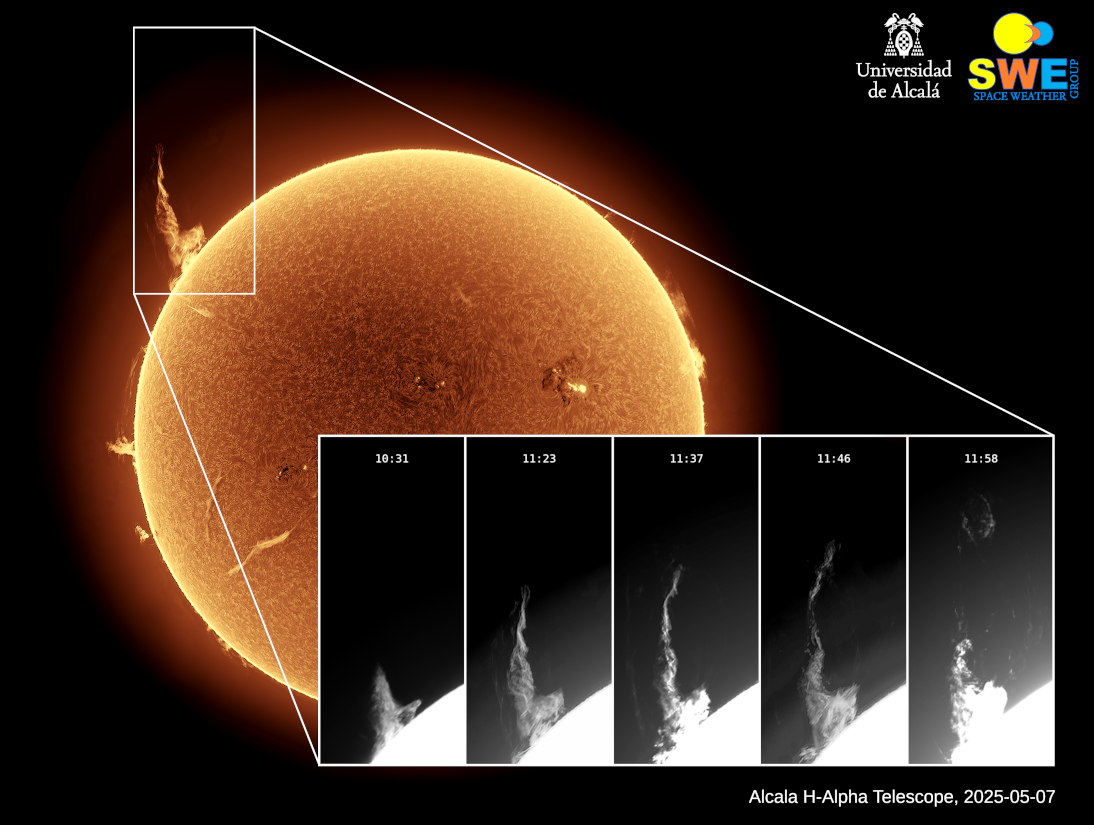
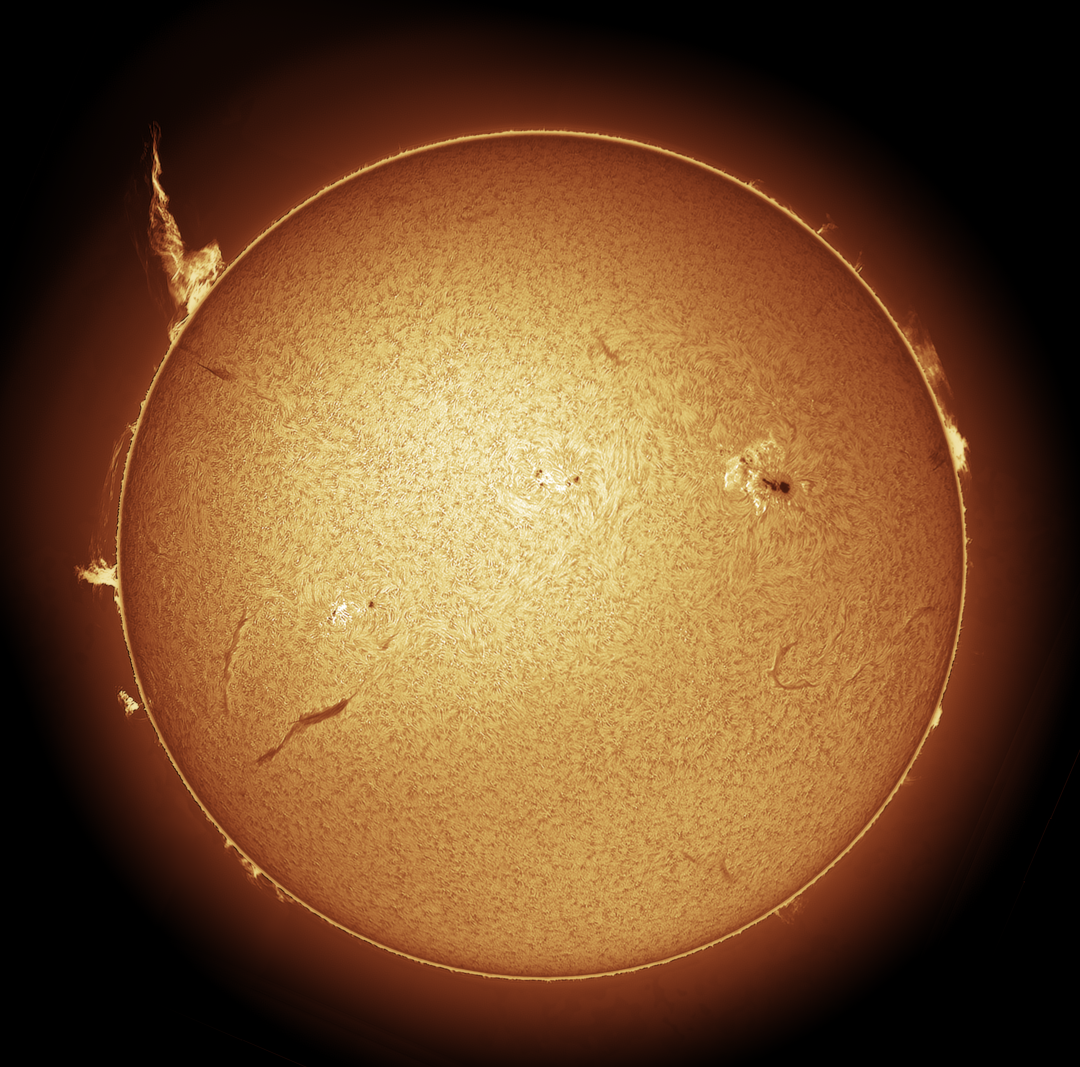
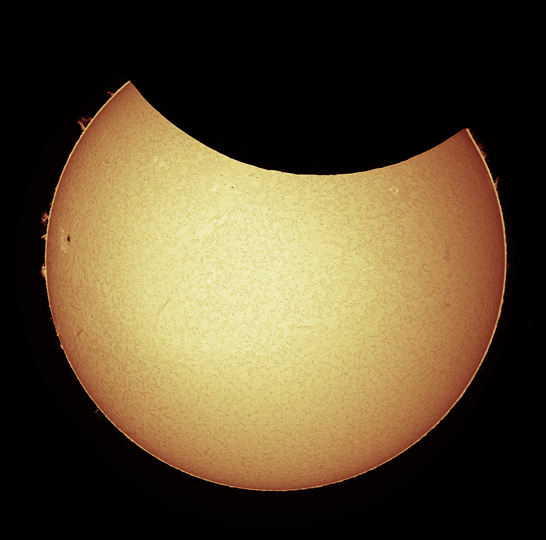
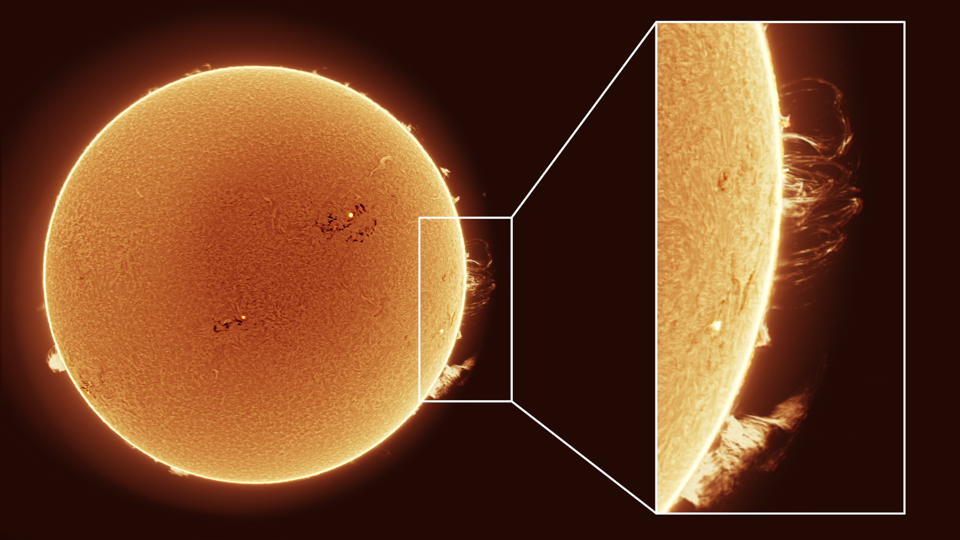
Sun captured by H-alpha telescope

The Space Weather (SWE) group is a research group at the University of Alcalá classified as a high-performance group.

At SWE, we combine observations, models, and artificial intelligence to protect technological infrastructures and promote a more resilient society in the face of solar activity.

SWE provides space weather through the National Space Weather Service (https://senmes.es ). It also offers various products through the European Space Agency’s Space Weather portal (https://swe.ssa.esa.int ).

Those who trust us:

Universidad de Alcalá ESA Airbus GMV Deimos Ministerio Ciencia e Innovación España University of Coimbra SANSA Universitat Politècnica de Catalunya Red Eléctrica de España Mando del Espacio (MESPA) Armada Española

Research

Our goal: to understand the Sun–Earth interaction and accurately predict space weather

Our current research program ranges from first-principles-based research to artificial intelligence

  • Solar activity
  • Interplanetary medium
  • Geomagnetism
  • Impact of Space Weather
  • Applied Artificial Intelligence


You can consult the group's list of publications here

Or the list of projects we have participated in here


Meet the team

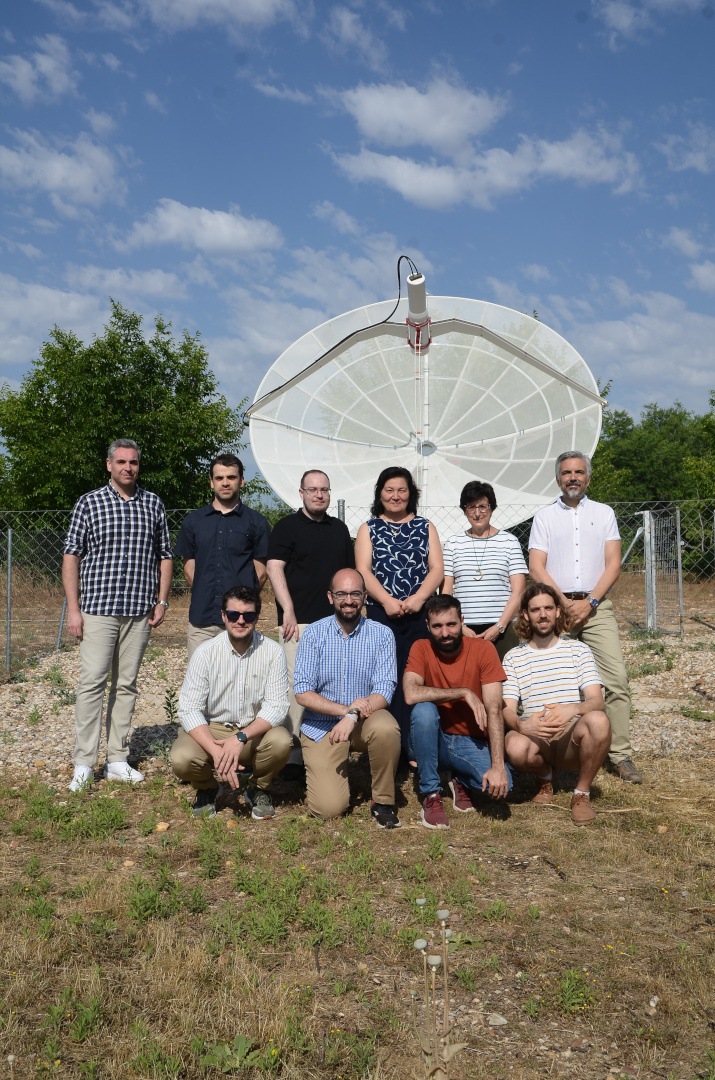
Our team, consisting of six PhDs, predoctoral researchers, and specialized technical staff, has over 100 scientific publications in the past decade
Equipo SWE
Coordination
Prof. Dra. Consuelo Cid Tortuero orcid

Group coordinator

Dr. Manuel Flores Soriano orcid

Scientific coordinator, Solar activity and GNSS impact

Prof. Dr. Pablo Muñoz Martínez orcid

Technical coordinator, Space Weather applications and impact

Senior researchers
Prof. Dr. Armando Collado Villaverde orcid

Applied Artificial Intelligence

Prof. Dr. David Fernández Barrero orcid

Applied Artificial Intelligence

Prof. Dr. Carlos Larrodera Baca orcid

Interplanetary medium

Prof. Dra. Elena Saiz Villanueva orcid

Geomagnetism

Students
Mario Cobos Maestre orcid

Applied Artificial Intelligence

Iván Maseda Zurdo orcid

Data science and geomagnetism

Antonio Reche Garcia orcid

Solar activity


Infraestructures

We have our own infrastructure for observing and monitoring the space environment, which allows us to obtain scientific data in real time, process the information immediately, and provide resilient space weather information services


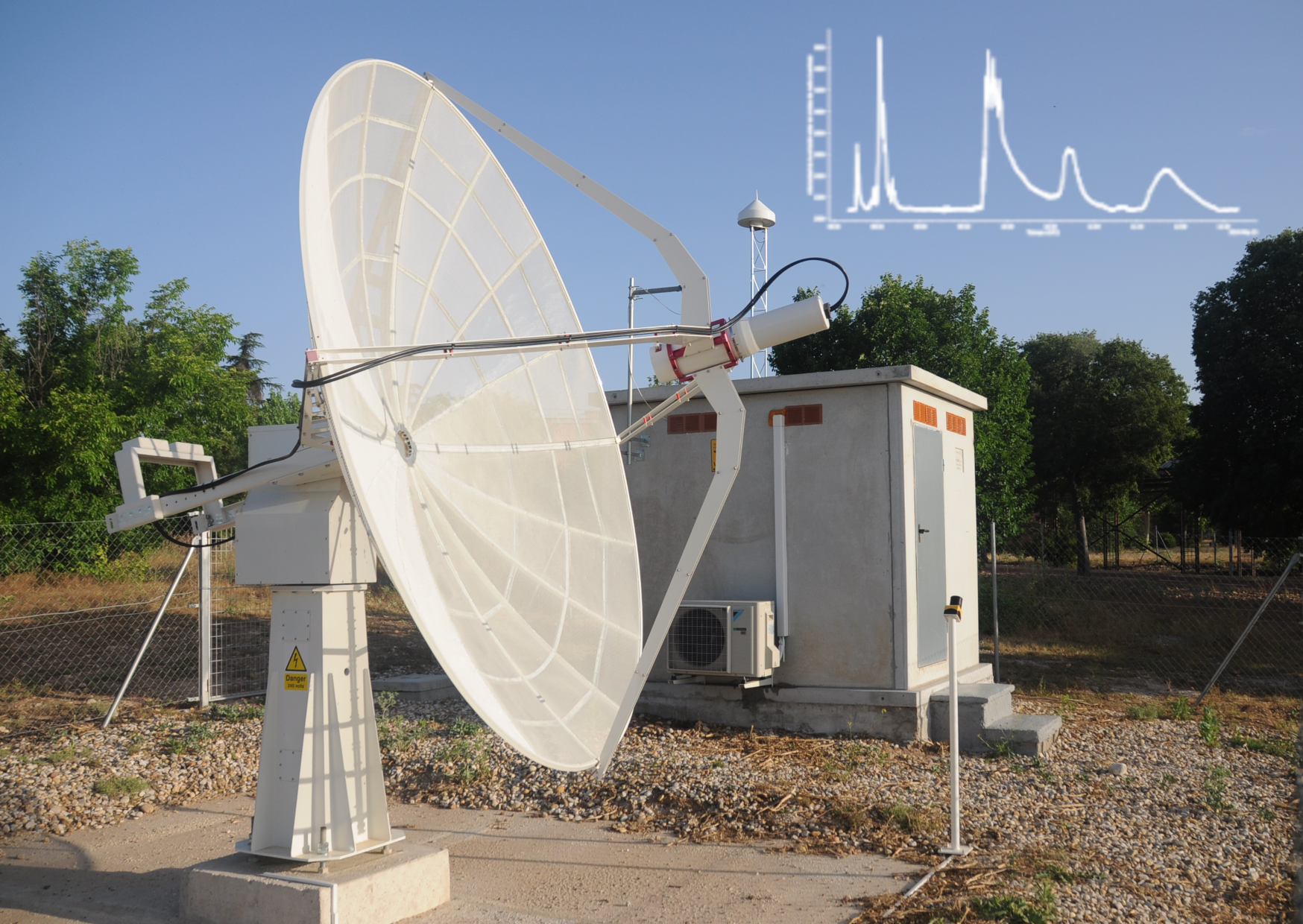
Radiotelescope more_vert
radiotelescopio
Radiotelescope close

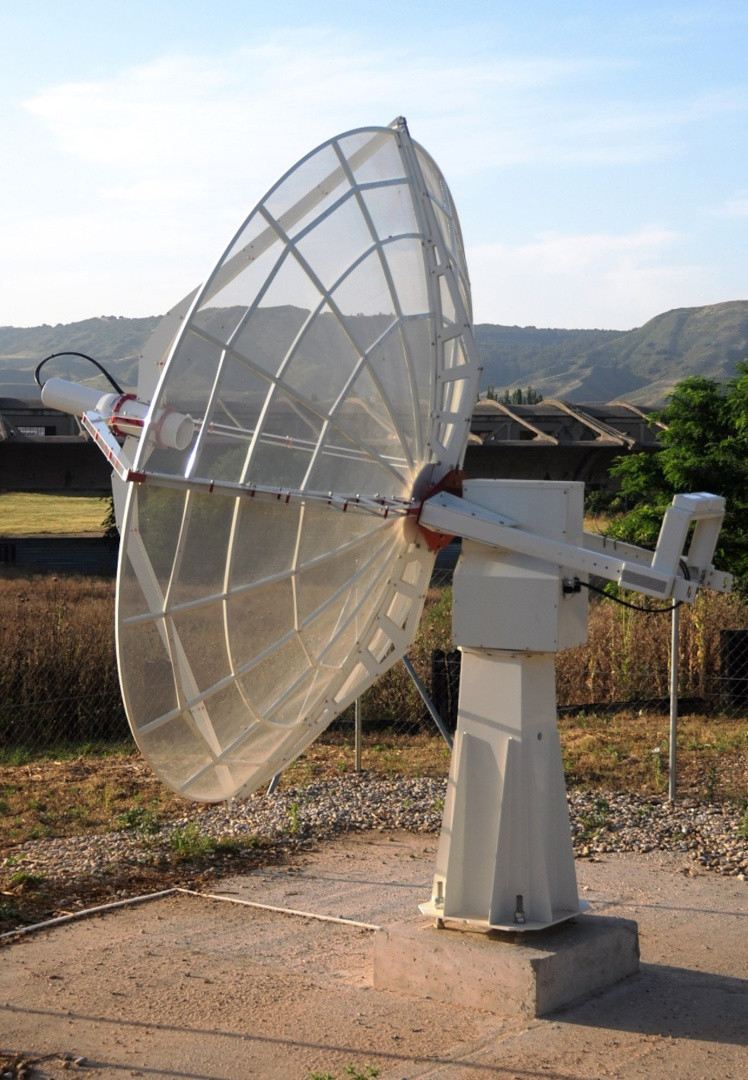
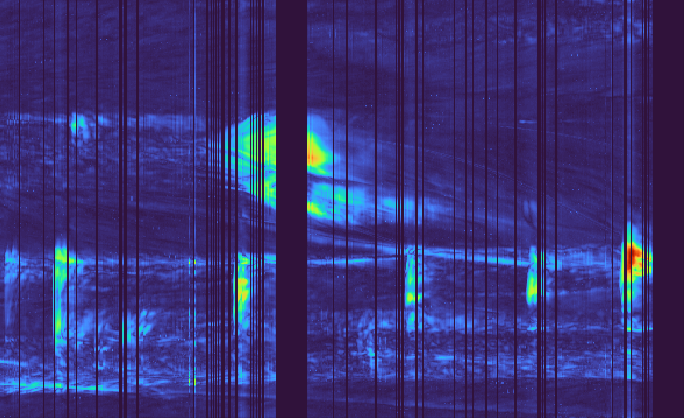
SPIDER 300A Mark II radio telescope with H142 receiver. Located at the University of Alcalá Space Weather Station. Continuously monitors solar radio burst occurrence from sunrise to sunset at 1.42 GHz, capturing both left and right circular polarization.

H-alpha telescope more_vert
H-alfa
H-alpha telescope close

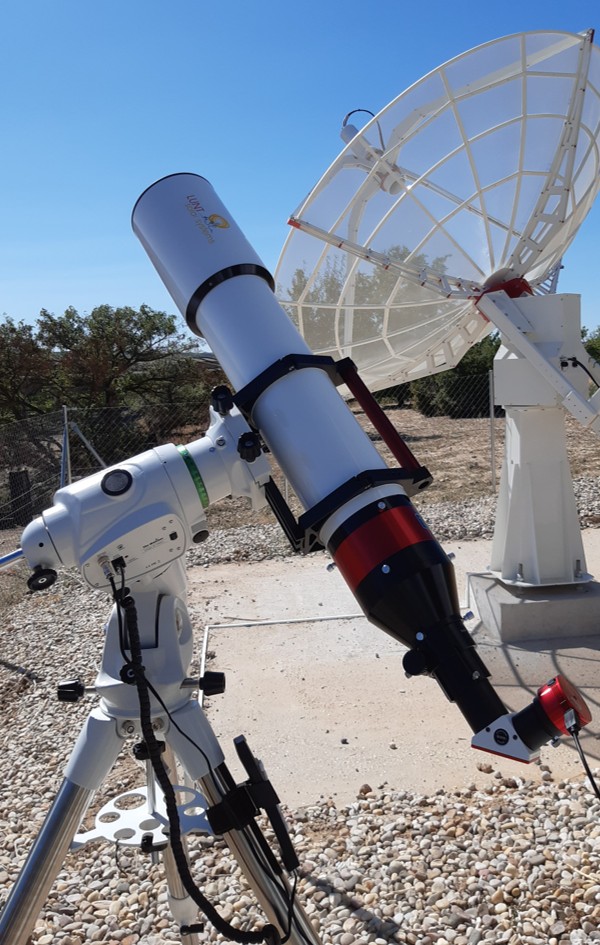
Lunt 130 mm telescope with H-alpha filter and ASI 533 MM camera for observations of the solar chromosphere.

Magnetometer more_vert
magnetometro
Magnetometer close

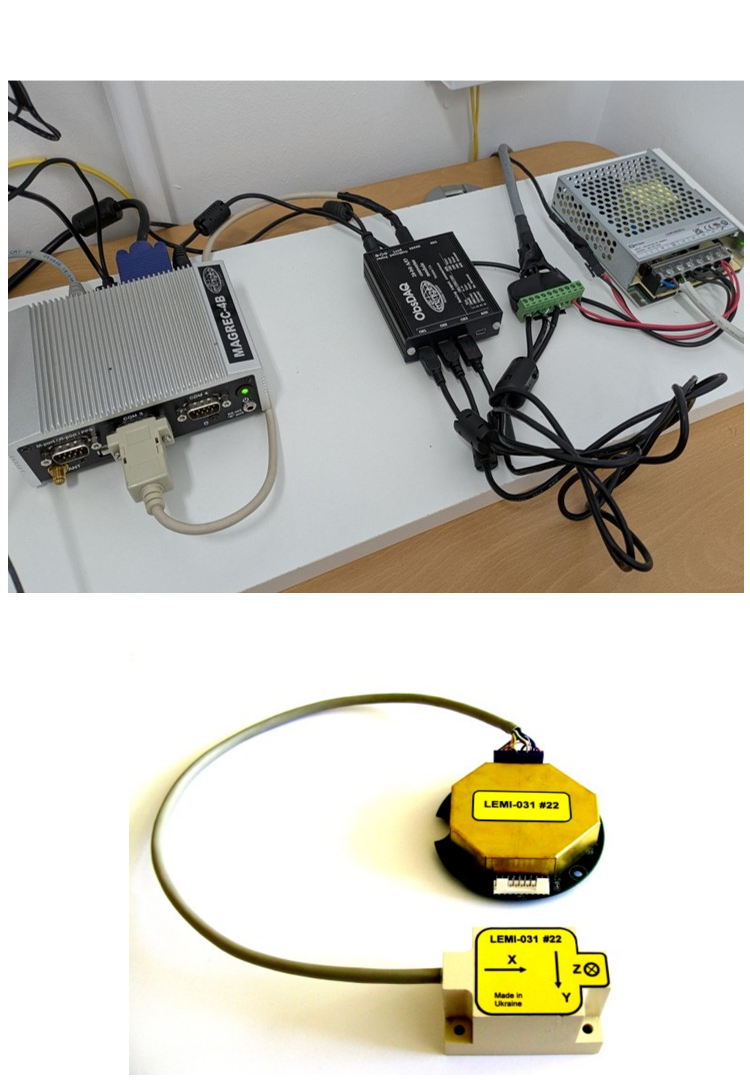
Low power flux-gate magnetometer LEMI-031 is intended for the monitoring of three components of the magnetic field vector in land conditions. The instrument is specially designed for battery powered applications and has differential outputs for easy coupling with analogue to digital converter. Several know-hows are used to keep the power consumption of LEMI-031 magnetometer at world lowest level.

GNSS station more_vert
Estación GNSS
GNSS station close

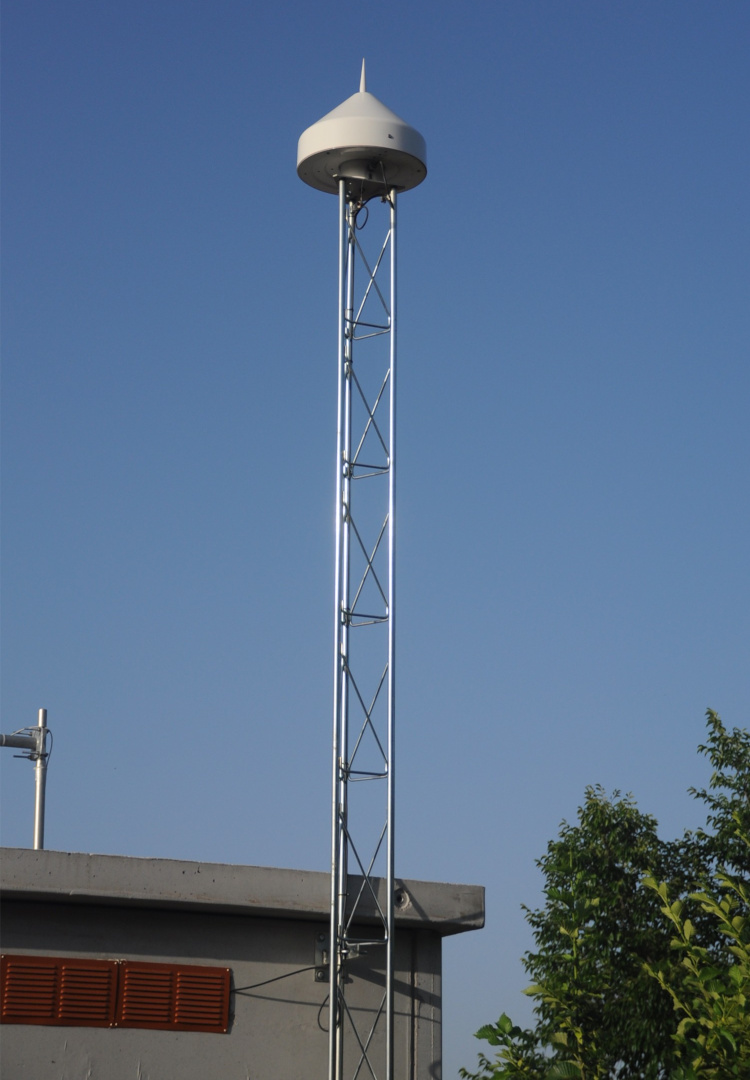
GNSS station with a Septentrio PolaRx5S receiver and PolaNt Choke Ring B3/E6 antenna, located at the University of Alcalá Space Weather Station. It monitors satellite signal integrity and ionospheric indices. The station currently tracks GPS, Galileo, GLONASS, BeiDou, SBAS, and NavIC constellations across all available frequencies.

LDi meter more_vert
Medidor de LDi
LDi meter close

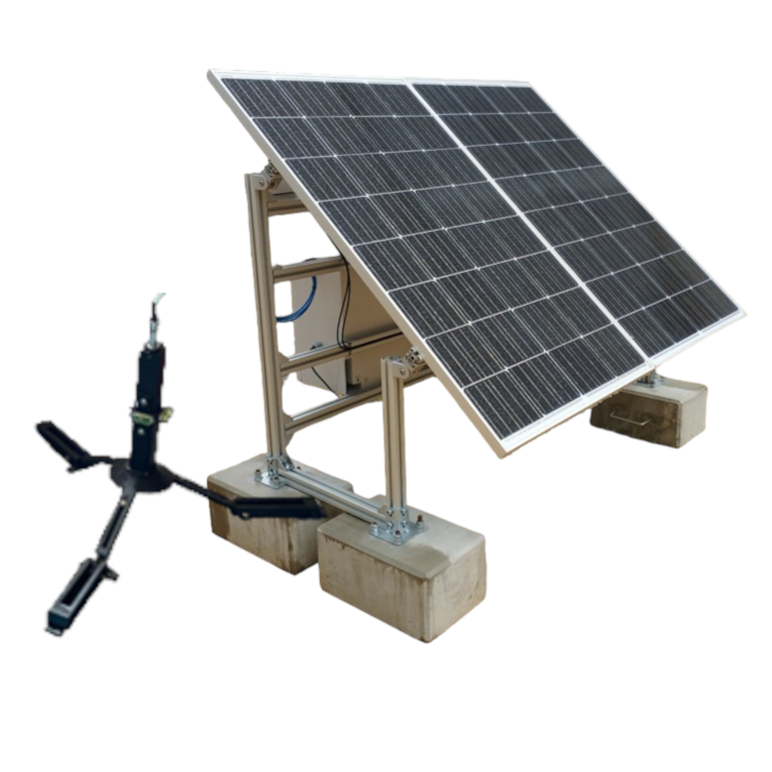
Local pertubation meter. The main objective of this equipement is to address the need for a network of magnetic stations in the Spain and Portugal region, with an inter-station distance not exceeding 1000 km, thereby contributing to the SSA SWE Services Network. To this end, a "Space Weather" prototype has been developed to record data for the detection of solar storms and other types of events, enabling improved anticipation of risks to satellites, power grids, and navigation systems.

VLF antenna more_vert
Antena VLF
VLF antenna close

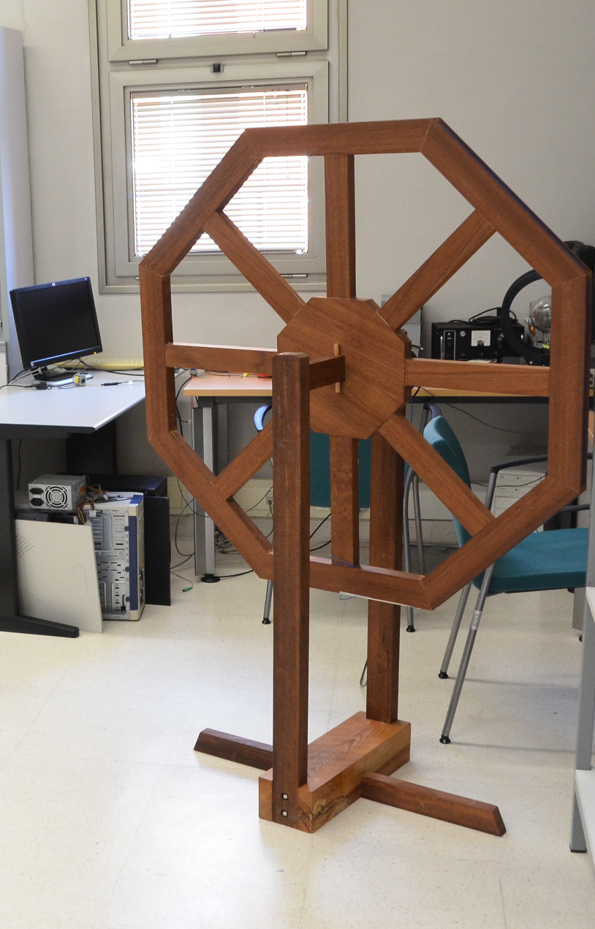
Very Low Frequency (VLF) communications refer to radio waves in the 3 to 30 kHz range, which can penetrate seawater and travel long distances by reflecting between the Earth’s surface and the ionosphere. This makes them ideal for communication with submarines. Additionally, VLF signals are highly sensitive to changes in the ionosphere, which is influenced by solar activity such as solar flares and geomagnetic storms. By monitoring variations in VLF signal strength and propagation, we can indirectly study solar activity and its effects on Earth's upper atmosphere. This is a made in-house instrument.
Services

We provide a complete chain of operational observation and forecasting products, from the Sun to the terrestrial environment, integrating our own data with data from space agencies and international organizations.

We are responsible for the National Space Weather Service (SeNMEs)

We are an expert group within the ESA Space Weather Service Network.

Check ourproduct portfolio picture_as_pdf


Difusión